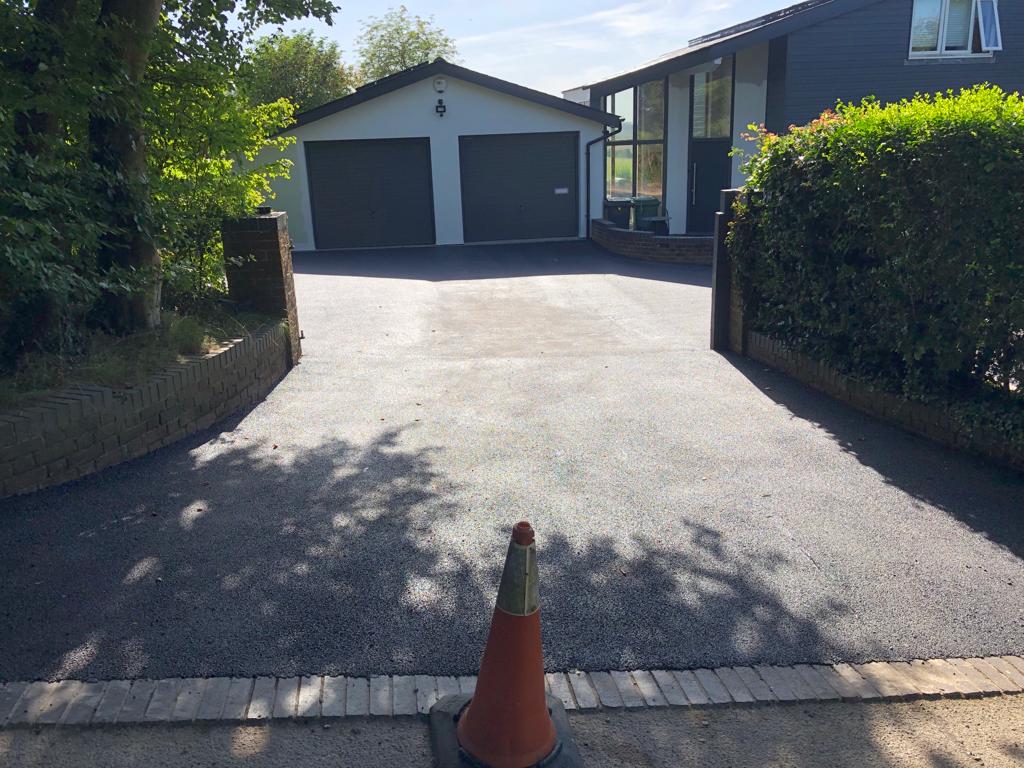
An unsealed driveway, access road or hardstand that has received little maintenance over several years can become increasingly difficult to use. Deep wheel ruts, potholes, corrugations, loose material and poor drainage can gradually transform a once-reliable surface into an uneven and deteriorating area. Although the damage may appear extensive, professional grading can often restore a neglected surface without requiring complete reconstruction.
The success of grading depends on the condition of the existing pavement and whether the underlying materials remain suitable for rehabilitation. In some cases, reshaping and compacting the surface may be sufficient. In others, additional material, drainage improvements or more extensive preparation may be necessary.
At Clifton Asphalt & Bitumen Surfacing, we provide professional grading and pavement maintenance in Clifton, QLD, helping property owners determine how neglected surfaces can be restored to provide dependable everyday access.
What Happens When an Unsealed Surface Is Neglected?
Unsealed surfaces depend on appropriate maintenance to preserve their shape, stability and drainage characteristics. Without regular attention, vehicle movements and rainfall can gradually alter the pavement profile.
Material may be displaced from heavily travelled wheel paths, while depressions begin collecting water. Repeated traffic can then accelerate deterioration, particularly where the supporting pavement has become weakened.
Common signs of long-term surface neglect include:
- Deep wheel ruts and depressions
- Widespread potholes
- Corrugations across frequently travelled areas
- Loose or displaced aggregate
- Poorly defined pavement edges
- Uneven surface levels
- Water pooling after rainfall
- Erosion and washouts
- Areas that become soft or unstable when wet
These problems often develop together, making it important to assess the entire surface rather than concentrating only on the most visible defects.
Can Grading Restore a Severely Uneven Surface?
Professional grading can correct many of the irregularities that develop on neglected unsealed roads and driveways.
Using specialised equipment, the existing pavement material can be reshaped to restore a more consistent surface profile. Suitable material may be redistributed, raised sections reduced and depressions corrected.
However, the objective should not simply be to make the surface appear level.
A properly graded pavement needs an appropriate profile that supports vehicle movements and allows water to drain away effectively. Creating a smooth but poorly drained surface can allow the same deterioration to return.
The condition and quantity of the existing material will also determine how much improvement can be achieved through grading alone.
Deep Wheel Ruts Can Often Be Corrected
Wheel ruts are among the most common problems affecting neglected access roads and driveways.
They develop when repeated vehicle movements displace or deform pavement material along frequently travelled paths. Over time, these depressions can become deeper and begin collecting water.
Professional grading can restore the road profile by reshaping affected areas and redistributing suitable material.
Where ruts are associated with unstable supporting layers, additional preparation may be necessary before the surface is compacted.
Correcting the underlying weakness is important because simply smoothing deep ruts may provide only temporary improvement if the pavement continues deforming under traffic.
Potholes Need More Than a Quick Surface Levelling
Potholes can become particularly troublesome when a surface has been neglected for several years.
Once a depression forms, water can collect inside it and weaken the surrounding material. Vehicle tyres then displace additional aggregate, causing the pothole to expand.
Although grading can help restore the profile of pothole-affected areas, severely damaged sections may require more detailed preparation.
Loose or unsuitable material should be addressed, and the condition beneath the pothole needs to be considered.
The aim is to reinstate a stable pavement rather than simply push loose material into existing holes.
Professional Grading Can Restore Effective Drainage
Drainage is one of the most important considerations when rehabilitating a neglected surface.
Over time, wheel ruts, depressions and displaced material can prevent rainfall from leaving the pavement effectively. Water may remain on the road or flow along wheel paths, gradually washing away material.
Professional grading can establish suitable surface falls and restore a profile that encourages water to move away from trafficable areas.
This can help reduce:
- Recurring water pooling
- Surface erosion
- Soft and unstable sections
- Washouts
- Repeated pothole formation
- Deterioration caused by prolonged moisture exposure
Where drainage problems extend beyond the pavement itself, additional corrective work may be required.
Corrugations Can Be Removed During Surface Rehabilitation
Corrugations are repeated ridges that often develop across unsealed surfaces subjected to frequent vehicle movements.
They can make driving uncomfortable and contribute to further displacement of pavement material.
Professional grading can remove existing corrugations and restore a smoother travelling surface.
However, corrugations may return if the pavement material is unsuitable, insufficiently compacted or repeatedly subjected to concentrated traffic stresses.
A lasting improvement therefore depends on considering material condition and compaction alongside the grading work.
What If the Existing Surface Has Lost Too Much Material?
Years of neglect can result in substantial pavement material loss.
Rainfall may wash aggregate away, while vehicle movements can push material towards the edges or beyond the trafficable area. Repeated grading without replenishing lost material can also gradually reduce the available pavement depth.
If insufficient suitable material remains, grading alone may not restore the required surface condition.
Additional road base or other appropriate pavement material may need to be incorporated before the area is reshaped and compacted.
This is why professional assessment is important. The surface needs adequate material and structural support, not merely a smooth appearance.
Why Compaction Is Essential After Grading
Grading establishes the required surface profile, but compaction helps provide the stability needed to maintain it.
Loose material can move under traffic, allowing ruts and irregularities to develop again.
Appropriate compaction consolidates suitable pavement materials and improves their ability to support vehicle loads.
For neglected surfaces, this stage is particularly important because the existing material may have become loose, unevenly distributed or disturbed by previous deterioration.
Professional grading and compaction work together to create a more stable and consistent trafficable surface.
Can Grading Correct Problems Caused by Heavy Vehicles?
Heavy vehicles can place significant demands on unsealed pavement, particularly where they repeatedly travel along the same wheel paths.
If the existing surface was not adequately prepared for these loads, deep ruts, depressions and material displacement may develop.
Grading can restore the surface profile, but it cannot automatically correct insufficient pavement strength.
Where heavier vehicles regularly use the area, the supporting layers and pavement material should be assessed to determine whether additional preparation is required.
The objective is to provide a surface suited to its intended traffic rather than repeatedly correcting the same deformation.
When Is Grading Alone Not Enough?
Although professional grading can achieve substantial improvements, some neglected surfaces require more extensive rehabilitation.
Additional work may be necessary where there is:
- Significant failure of the supporting base
- Extensive loss of suitable pavement material
- Deep erosion affecting the pavement structure
- Persistent instability after rainfall
- Severe deformation caused by inadequate support
- Drainage problems that cannot be corrected through surface reshaping alone
In these situations, grading may still form part of the restoration process, but the underlying issues need to be addressed.
A professional assessment helps establish whether the pavement can be rehabilitated using its existing structure or requires more substantial reconstruction.
Can a Neglected Surface Be Prepared for Spray & Seal Bitumen?
For some property owners, restoring a neglected unsealed driveway or access road presents an opportunity to consider a sealed surface.
Professional grading can form an important part of preparing a pavement for spray & seal bitumen. The existing surface needs to be appropriately shaped, compacted and supported before a bitumen binder and aggregate wearing layer can be applied.
A sealed surface can reduce loose material movement and provide a more consistent travelling area.
However, spray & seal should not be applied simply to conceal years of deterioration. The pavement must first be suitable for the intended treatment.
Where the underlying structure requires improvement, that work should be completed before sealing is considered.
Why Professional Assessment Makes a Difference
A neglected surface may have several different problems occurring at once.
One section may suffer from drainage-related erosion, another may have deep wheel ruts, while a third may contain insufficient suitable pavement material.
Treating the entire area in exactly the same way may overlook these differences.
At Clifton Asphalt & Bitumen Surfacing, we assess unsealed roads, driveways and trafficable surfaces throughout Clifton, QLD, considering the existing pavement profile, drainage, material condition and intended vehicle use.
This allows grading and any necessary preparation to be matched to the actual condition of the surface.
How Can You Prevent the Same Problems From Returning?
Restoring a neglected surface is only part of achieving better long-term performance.
Once the pavement has been rehabilitated, regular inspections can help identify early signs of deterioration before they become severe.
Useful maintenance practices include:
- Monitoring wheel ruts and developing depressions
- Checking drainage after rainfall
- Addressing potholes before they expand
- Watching for recurring corrugations
- Maintaining suitable pavement edges
- Arranging grading when the surface profile begins deteriorating
The appropriate maintenance frequency depends on traffic demands, weather exposure and the condition of the pavement.
Responding to problems early can help preserve the improvements achieved through professional grading.
Conclusion
Professional grading can often correct years of surface neglect by restoring an appropriate pavement profile, reducing ruts and corrugations, improving drainage and preparing the surface for effective compaction. Even heavily deteriorated unsealed roads and driveways may be suitable for rehabilitation when the underlying pavement remains serviceable.
However, grading is not a substitute for adequate foundation support or suitable pavement material. Where neglect has caused extensive structural damage, additional preparation may be necessary to achieve a reliable result.
For property owners in Clifton, QLD, the most effective approach is to assess the condition of the entire surface before deciding how it should be restored.
If your driveway, access road or unsealed hardstand has become badly rutted, uneven or difficult to maintain, Clifton Asphalt & Bitumen Surfacing can assess the existing pavement and recommend an appropriate restoration approach. Contact our team to discuss professional grading, pavement preparation and asphalt or bitumen surfacing suited to your property’s requirements.
Call us on: 07 5230 8325
Click here to find out more about Clifton Asphalt & Bitumen Surfacing
Click here to complete our contact form and see how we can help with your Asphalt and Bitumen Surfacing needs.