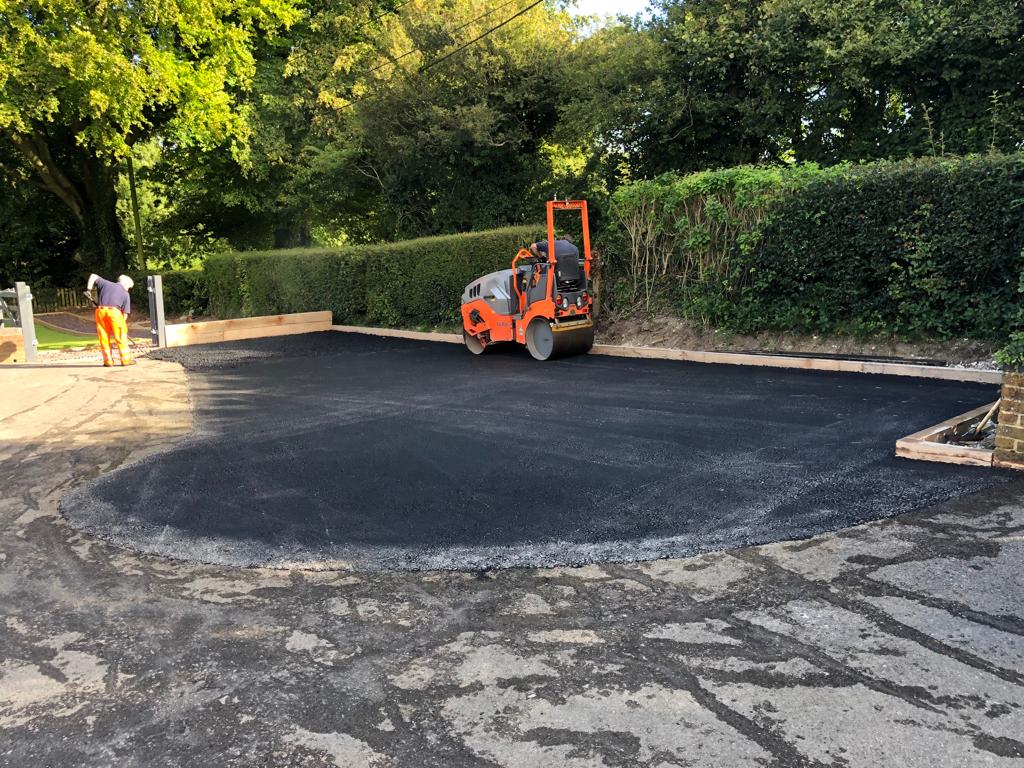
Surface grading is one of the most important yet often overlooked aspects of asphalt and bitumen surfacing. While the finished surface may appear smooth to the eye, how it is shaped beneath that surface plays a critical role in long-term performance. In Clifton, where surfaces are exposed to regular traffic and changing weather conditions, proper surface grading is essential for durability, safety, and reliability.
At Clifton Asphalt & Bitumen Surfacing, grading is treated as a foundation step that determines how well the surface performs over time.
Understanding Surface Grading
Surface grading refers to the process of shaping the ground and base layers to achieve correct levels and slopes before asphalt or bitumen is applied. The goal is to create a surface that supports traffic loads evenly while directing water away from vulnerable areas.
Good grading ensures that the surface is neither too flat nor uneven, allowing it to function as intended under everyday use.
Why Grading Matters for Drainage
One of the primary purposes of surface grading is effective water management. Water that pools on or beneath a surface can quickly undermine its structural integrity. Without proper grading, even a well-laid asphalt surface can deteriorate prematurely.
Correct grading directs water away from the surface, preventing moisture from penetrating the base layers and reducing the risk of soft spots, cracking, and surface failure.
Supporting Structural Stability
Surface grading also plays a major role in maintaining structural stability. A properly graded base distributes traffic loads evenly across the surface, reducing stress on individual areas.
This even load distribution helps prevent rutting, deformation, and premature wear, particularly on surfaces that experience regular vehicle movement.
Improving Surface Longevity
When grading is done correctly, the asphalt or bitumen layer above it performs more efficiently. The surface is less likely to crack, shift, or break apart because the underlying structure is supporting it as intended.
Over time, this leads to longer surface life and fewer disruptions caused by repair work.
Enhancing Safety and Usability
Uneven surfaces and poor water runoff can create safety concerns. Improper grading can lead to slippery areas, pooling water, and unexpected changes in surface level.
Good grading results in predictable, stable surfaces that improve vehicle control and pedestrian safety, especially during wet conditions.
Tailored Grading for Clifton Conditions
Local ground conditions and usage patterns influence how grading should be carried out. In Clifton, professional assessment ensures that slopes, levels, and drainage paths are designed to suit the site’s specific requirements.
This tailored approach ensures the surface performs reliably within its environment rather than simply meeting generic standards.
Conclusion
Surface grading is a critical component of successful asphalt and bitumen surfacing. By ensuring proper drainage, supporting structural stability, and improving surface longevity, grading directly influences how well a surface performs over time.
If you are planning a new asphalt surface or experiencing issues with an existing one, Clifton Asphalt & Bitumen Surfacing can assess your site and provide professional grading solutions designed for long-term performance. Contact our team to discuss how proper surface grading can protect your investment and improve surface reliability.
Call us on: 07 5230 8325
Click here to find out more about Clifton Asphalt & Bitumen Surfacing
Click here to complete our contact form and see how we can help with your Asphalt and Bitumen Surfacing needs.