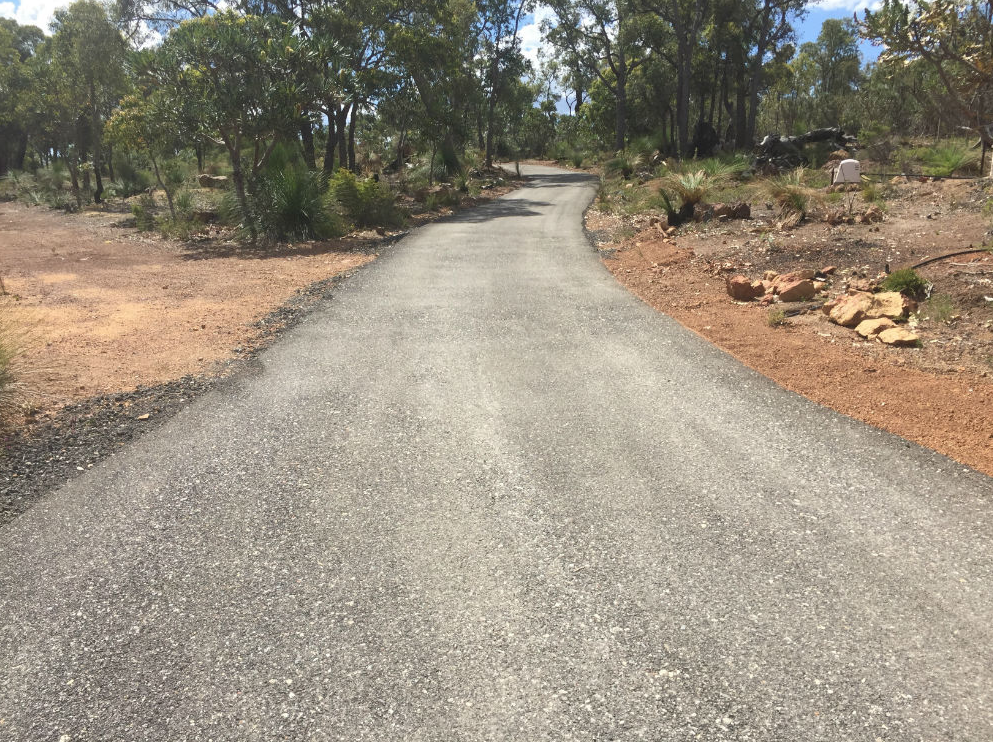
A pothole rarely remains confined to exactly the same area. Once part of an asphalt or bitumen pavement has broken away, the surrounding surface is exposed to additional traffic stresses, moisture and progressive deterioration. What begins as a relatively small defect can therefore become a much larger area of damaged pavement if the underlying cause is left unresolved.
Timely pothole repairs are important not simply because they remove an uncomfortable depression from the surface. When completed correctly, repairs can help stabilise the affected section, limit water penetration and reduce the likelihood of deterioration spreading into neighbouring pavement.
At Clifton Asphalt & Bitumen Surfacing, we provide professional pothole repairs and pavement surfacing throughout Clifton, QLD. Assessing the condition around a pothole as well as the hole itself allows repairs to address the wider problem rather than simply filling the visible opening.
Why Does a Pothole Continue to Grow?
A pothole usually develops after the pavement has already experienced some form of deterioration.
Cracking may allow water to reach the supporting pavement layers. These materials can lose stability, leaving the asphalt or bitumen above without consistent support. Repeated vehicle loading then causes weakened material to crack and break away.
Once the pothole has formed, its exposed edges become particularly vulnerable.
Passing tyres can strike these edges and loosen additional material. Water can also enter the pavement more easily through the damaged area.
Without intervention, this combination of moisture and traffic can progressively enlarge the pothole.
Early Repairs Can Limit Edge Deterioration
The edges surrounding a pothole often determine how quickly the damage spreads.
As vehicles pass over the affected section, unsupported or cracked pavement around the perimeter can begin breaking away. The pothole becomes wider, exposing another section of pavement to the same stresses.
Timely repair helps interrupt this progression.
The damaged area can be properly prepared, unstable material removed and the pavement reinstated before deterioration reaches further into the surrounding surface.
This is considerably more useful than waiting until a small defect has developed into a broad section of broken pavement.
Repairs Can Reduce Water Entering the Pavement
Water is one of the main reasons potholes can become progressively worse.
An intact pavement surface helps protect the supporting materials underneath. Once a pothole develops, this protection has already been compromised.
Rainwater can enter through the open defect and surrounding cracks. If moisture reaches the pavement base, it can reduce the strength and stability of the material.
Traffic then applies repeated pressure to the weakened area.
By repairing potholes before they expand substantially, the exposed pavement can be reinstated and one significant pathway for water infiltration can be addressed.
Surrounding Cracks Should Be Considered Too
A pothole should rarely be assessed in isolation.
Cracking around the damaged section can indicate that deterioration has already extended beyond the visible hole. These cracks may also allow water to continue reaching the supporting pavement after the pothole itself has been repaired.
Before completing the work, the surrounding asphalt or bitumen should therefore be inspected.
Important warning signs can include:
- Cracks radiating from the pothole
- Loose material around its perimeter
- Nearby depressions
- Movement under vehicle loading
- Crumbling pavement edges
- Additional small holes developing nearby
Recognising these conditions allows the repair area to reflect the actual extent of deterioration.
A Stable Repair Helps Support Adjacent Pavement
A pothole is not simply an empty space that needs to be filled.
For the surrounding pavement to remain supported, the repaired section needs a stable foundation.
Loose and failed material may need to be removed before suitable pavement material is placed and compacted. The surface can then be reinstated appropriately.
If unstable material remains underneath, the repaired area may continue moving under traffic. Cracking can develop around the repair and eventually affect neighbouring pavement.
Proper preparation and compaction are therefore important for protecting more than the repair itself.
Timely Repairs Can Help Prevent Several Potholes Developing
One pothole can sometimes be followed by several more.
This may happen because the original defect is part of a larger weakened section. Water entering through the pothole can affect surrounding pavement materials, while traffic continues stressing nearby cracked areas.
Eventually, additional sections can begin breaking apart.
Repairing the initial defect and assessing the neighbouring pavement can help identify these vulnerable areas before they develop into separate potholes.
This is particularly important where multiple cracks or depressions are already visible nearby.
Preventing Water Pooling Can Slow Further Damage
Potholes often collect water because they create a low point in the pavement.
Each rainfall event can leave moisture sitting directly within the damaged section. Water may then penetrate further into cracks and exposed base material.
As the pothole deepens, its ability to hold water can increase.
Repairing the depression restores the surface profile, but recurring water accumulation nearby should also be investigated.
If the pavement is poorly graded or has developed other low areas, drainage improvements may be necessary to reduce the conditions contributing to deterioration.
Vehicle Traffic Makes Delayed Repairs More Significant
Every vehicle passing over a pothole places additional stress on its edges.
The effect becomes more significant where the pavement experiences frequent traffic or heavier vehicles.
Tyres can loosen fractured material, deepen the damaged section and increase cracking around its perimeter. Turning and braking movements can add further stress.
A pothole positioned in a frequently travelled wheel path can therefore deteriorate much faster than one outside the main traffic area.
Addressing the defect while the surrounding pavement remains relatively stable can help limit how much material is affected.
Timely Repairs Can Protect Pavement Edges
Potholes close to the outer boundary of a driveway, road or hardstand deserve particular attention.
Pavement edges naturally have less lateral support than central sections. If a pothole develops nearby, the remaining asphalt or bitumen can become increasingly vulnerable.
Material may begin breaking away towards the edge, reducing the usable pavement width and exposing more of the base underneath.
A suitable repair may need to address both the pothole and any loss of edge support to prevent deterioration continuing across the pavement.
Recurring Potholes Need More Investigation
If a pothole has already been repaired but repeatedly returns in the same location, simply completing another identical patch may not provide the answer.
Recurring failure can indicate that the cause exists deeper within the pavement.
Possible contributing factors include weak base material, inadequate compaction, persistent water infiltration, poor drainage or concentrated vehicle loading.
Professional assessment can determine whether the affected section needs deeper preparation before another surface repair is completed.
Identifying the reason for repeated failure also helps protect surrounding pavement from experiencing the same deterioration.
Localised Repairs Can Preserve Sound Pavement
One advantage of addressing potholes early is that much of the surrounding pavement may still be in serviceable condition.
Where deterioration is genuinely localised, there may be no reason to disturb asphalt or bitumen that remains structurally sound.
A targeted repair can remove the failed material, restore support and reinstate the damaged surface.
This helps preserve the usable pavement around the defect while preventing a small problem from progressively consuming a larger area.
When Does Wider Pavement Work Need to Be Considered?
Timely pothole repair is valuable, but individual repairs are not appropriate for every pavement condition.
If numerous potholes are appearing across the same surface, there may be broader deterioration underway.
Widespread cracking, substantial rutting, significant depressions and repeated failures can indicate that the supporting pavement is no longer performing consistently.
In these circumstances, the entire area should be assessed.
Depending on its condition, appropriate work may involve localised base reconstruction, grading, drainage correction or resurfacing rather than continuing to repair each pothole independently.
Resurfacing Should Follow Necessary Repairs
Where an asphalt surface is generally worn but the underlying pavement remains suitable, resurfacing may provide an effective way to renew a larger area.
Existing potholes should still be repaired first.
Installing a new surface over unstable defects does not restore the missing structural support underneath them. Movement can eventually affect the resurfaced pavement above.
Correcting potholes and other failed areas during preparation creates a stronger basis for a consistent new wearing surface.
Professional Repair Is About Finding the Cause
A successful pothole repair should consider why the pavement failed, not only where material is missing.
An experienced surfacing contractor can assess the pothole together with surrounding cracking, pavement levels, drainage, base stability and traffic patterns.
This helps determine whether a straightforward localised repair is appropriate or whether additional pavement work is needed.
For surfaces in Clifton, QLD, identifying these factors early can help prevent deterioration from spreading into otherwise serviceable sections of asphalt or bitumen.
Conclusion
Timely pothole repairs can protect the surrounding surface by stopping damaged edges from continuing to break away, reducing water entry and restoring support to weakened pavement. Early attention can also help prevent a single defect from developing into several potholes or a much larger area of deterioration.
The quality of the repair matters. Potholes should be assessed together with surrounding cracks, drainage, pavement stability and the condition of the base. Where deeper problems are present, addressing them before reinstating the surface can reduce the likelihood of recurring failure.
Clifton Asphalt & Bitumen Surfacing provides professional pothole repairs, pavement preparation, asphalt resurfacing and bitumen surfacing throughout Clifton, QLD. If potholes are beginning to develop or expand across your pavement, contact our team to arrange an assessment and discuss an appropriate repair solution before the surrounding surface deteriorates further.
Call us on: 07 5230 8325
Click here to find out more about Clifton Asphalt & Bitumen Surfacing
Click here to complete our contact form and see how we can help with your Asphalt and Bitumen Surfacing needs.