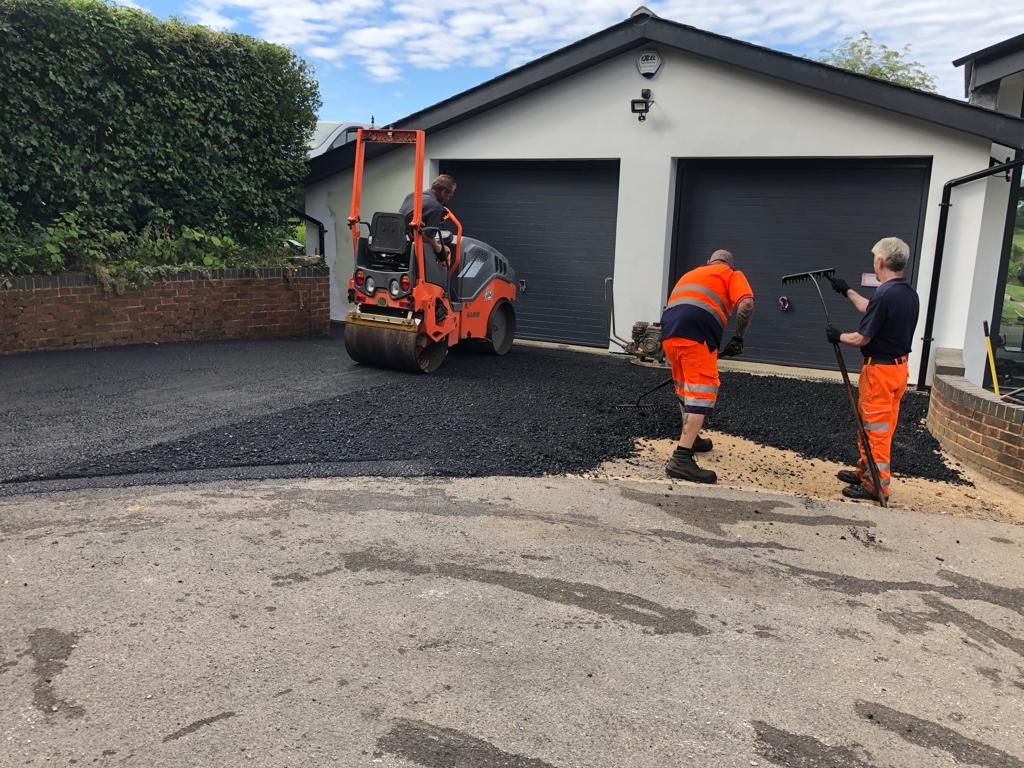
Heavy equipment puts concentrated loads on a surface, particularly where vehicles turn, brake, load or remain parked. If the ground is soft, uneven or poorly drained, these repeated stresses can lead to ruts, loose material and damaged access areas.
A purpose-built asphalt hardstand can provide a more stable working surface, provided it is designed for the site conditions and the equipment using it. For property owners in Clifton, QLD, recurring surface problems may be a reason to assess whether repairs are enough or a new hardstand is needed.
Signs your existing surface may not be suitable
Watch for patterns of damage, especially in areas where equipment regularly travels or stops. These signs can indicate the surface or its foundation is struggling:
- Ruts, depressions or cracking along regular vehicle paths
- Loose gravel, dust or mud affecting access and day-to-day work
- Water pooling after rain or washing material away
- Edges breaking down where vehicles enter, turn or load
- Repeated repairs that fail to address the same underlying problem
A single defect does not automatically mean a new hardstand is required. The condition of the base, drainage and wider surface should be assessed together.
Consider the equipment and how the area is used
A hardstand needs to suit the loads and movements expected on the site. The assessment should consider the type and weight of equipment, how often it is used, where it turns or parks, and whether loading creates concentrated pressure in particular spots.
These details help determine the construction requirements. A surface intended for occasional light vehicle access may need a different design from one used regularly by heavy machinery.
Why the base and drainage matter
Asphalt relies on a stable, well-prepared foundation. If the ground beneath it is weak or uneven, heavy loads can cause movement and lead to cracking or deformation. Preparing the site may involve shaping and compacting the formation, installing a suitable base and addressing areas that are soft or unstable.
Drainage also needs to be considered. Water that sits on the surface or enters beneath it can contribute to deterioration. Correct levels help direct runoff away from working areas and reduce the chance of water collecting in depressions.
When a new hardstand may be appropriate
A new asphalt hardstand may be worth considering when damage is widespread, the base has failed or the current surface cannot reliably support the equipment and site activities. If the foundation remains sound and defects are limited, targeted repairs or resurfacing may be suitable instead.
A site assessment can help identify the cause of the damage and clarify the work needed. It should account for the intended use of the hardstand, ground conditions, drainage, access and the condition of any existing pavement.
Conclusion
Repeated rutting, cracking, pooling water or breakdown in equipment travel areas can signal that the existing surface is no longer meeting the demands of the site. The right solution depends on the loads involved and the condition of the ground and pavement beneath them.
Clifton Asphalt & Bitumen Surfacing can assess your site in Clifton and discuss options for a hardstand suited to its use.
Call us on: 07 5230 8325
Click here to find out more about Clifton Asphalt & Bitumen Surfacing
Click here to complete our contact form and see how we can help with your Asphalt and Bitumen Surfacing needs.